What to Pack for the Hospital for a Hysterectomy: A Checklist for Before and After Surgery
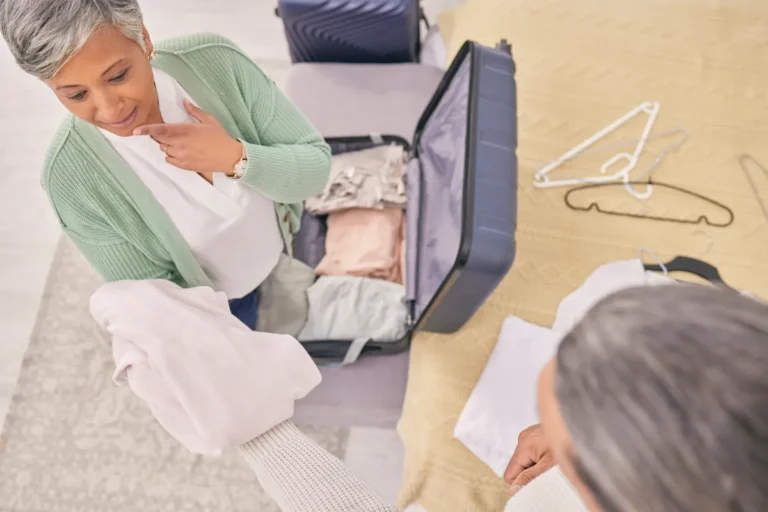
A hospital bag for a hysterectomy does not need to be big. What it needs is the right few things: the papers the hospital will ask for, clothes that will not press on a sore belly, pads, and a handful of comfort items for a stay that is usually short. After a vaginal or laparoscopic (keyhole) hysterectomy, most people go home within one to four days; after an abdominal operation, within up to five days.[1] Some people having a laparoscopic hysterectomy now go home the same day. This guide gives you a checklist of what to bring, what to leave at home, how to handle the night before, and what to set up at home before you leave.
Hospitals have their own rules, especially about medicines, equipment and fasting. Treat this as a starting list and check it against the instructions from your surgeon’s office or pre-admission nurse. Where they differ, the hospital’s instructions win.
How long you will stay, and why it matters for packing
The length of the stay depends on the type of operation, your general health and how quickly you recover (see partial vs total hysterectomy for the different operations).
- Abdominal (open) hysterectomy: up to five days, according to the NHS.[1] US discharge guides often mention two to three days.[2]
- Vaginal or laparoscopic hysterectomy: usually one to four days.[1]
- Same-day discharge: some hospitals send selected patients home on the day of a laparoscopic hysterectomy. In a Dutch trial of 205 women having a laparoscopic hysterectomy for non-cancerous or precancerous conditions, those who went home the same day recovered physical function just as well one week later as those who stayed one night.[8] Whether this is offered depends on your hospital, your health and how the operation goes.
Because a planned same-day discharge can turn into an overnight stay, pack for at least one night whatever your plan is.
What the first day or two are like
- Tubes and dressings. The NHS lists wound dressings, an IV drip and a urinary catheter as common. After an abdominal hysterectomy a drain may stay in for one to two days; after a vaginal hysterectomy a gauze pack may stay in the vagina for about 24 hours.[1]
- Getting up early. You will be encouraged to take a short walk the day after surgery.[1] The ERAS Society, which writes international recovery guidance for gynecologic surgery, recommends getting out of bed within 24 hours and removing the urinary catheter early, ideally within 24 hours.[5]
- Eating soon. The same guidance recommends a regular diet within the first 24 hours.[5]
- Vaginal bleeding and discharge. It is lighter than a period but can last up to six weeks.[1]
So the bag is built around three things: walking the hall comfortably, managing bleeding, and getting home without anything pressing on your belly. For the weeks after you leave, see our week-by-week recovery guide.
Documents and medicines
- Photo ID and insurance card.[3]
- A current list of your medicines, including supplements and doses, and a note of any allergies.[3] Keep it on paper as well as on your phone.
- A copy of your advance directive (health care directive or living will), if you have one.[3][4]
- Phone numbers on paper for the person collecting you and anyone who should be called, in case your phone battery dies.
Your own pills: ask first, and usually leave them at home. Allina Health asks patients to bring the medicine list only.[3] Woman’s Hospital in Louisiana asks patients to leave all medicines at home except an asthma inhaler.[4] During your stay, the hospital supplies the medicines your team prescribes.
CPAP and other equipment: rules differ. Woman’s Hospital tells patients not to bring CPAP machines or nebulizers, because it provides its own with a doctor’s order, but it does ask for walkers, canes or braces you use.[4] Other hospitals ask you to bring your CPAP for an overnight stay. Ask at your pre-admission appointment.
Clothes: loose waist, nothing to bend for
You will wear a hospital gown for most of the stay, so you mainly need one comfortable outfit for the trip home and a couple of things for walking around.
- Loose pants or a soft skirt with an elastic or roomy waist, and a loose top. Both hospital guides above suggest loose clothing and underwear with a loose waistband.[3][4] Avoid tight waistbands, buttons and zippers that will press on a healing belly. If you are having an abdominal or laparoscopic operation, ask where the incisions will be so you can choose a waistband that sits clear of them.
- Cotton underwear that is easy to pull on and roomy enough to hold a pad without squeezing.[4]
- Slip-on slippers or shoes, and socks.[3][4] Bending down to tie laces is hard in the first days, and you will be walking the hall.
- A robe, and a nightgown if you prefer your own.[4] Hospital rooms can feel cool.
One change of clothes is enough for a short stay. Everything you bring has to be carried and kept track of, and Woman’s Hospital suggests labeling personal items with your name.[4]
Toiletries and personal care
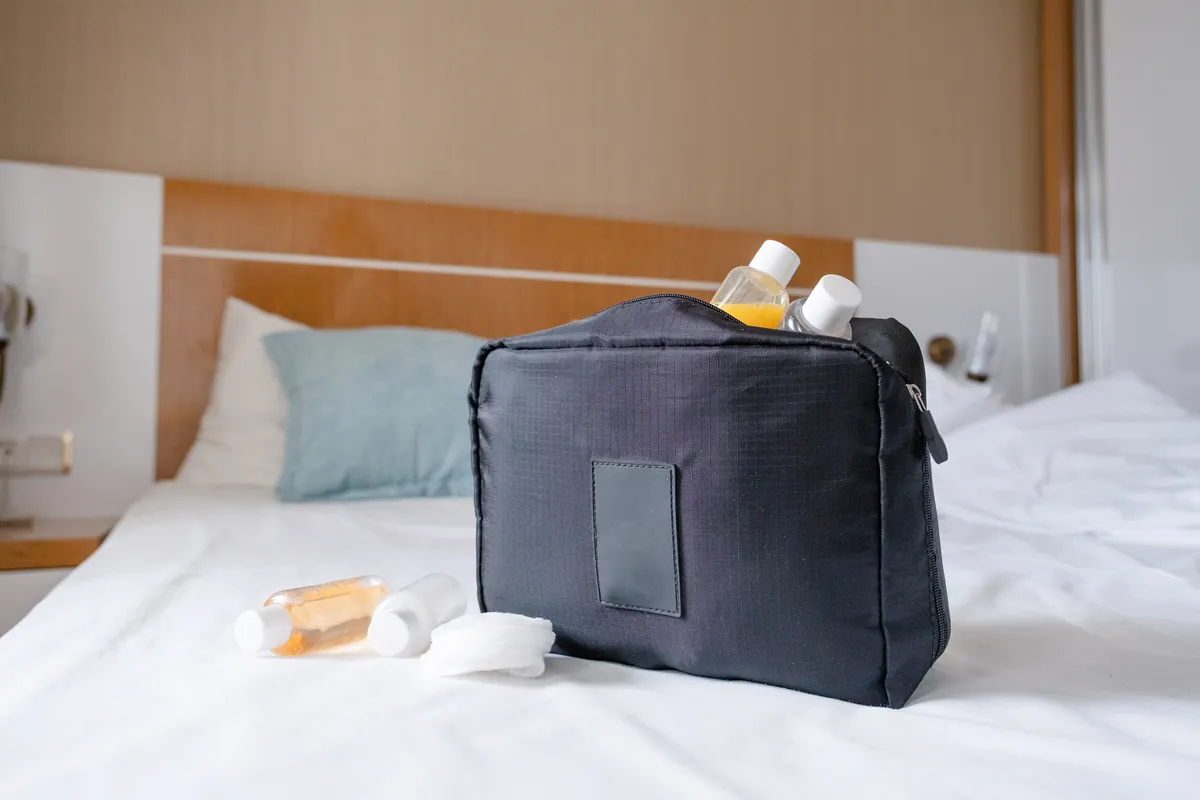
- The basics: toothbrush, toothpaste, comb or brush, deodorant and skin care products.[3] Lip balm is a small extra many people are glad to have.
- Glasses and a case. Both hospital guides recommend wearing glasses rather than contact lenses on the day of surgery.[3][4] If you use hearing aids, bring their case and spare batteries.[3]
- Pads, not tampons. You will have some vaginal bleeding or discharge for a while.[1] MedlinePlus advises putting nothing in the vagina for six weeks, which includes tampons.[2] The hospital may supply pads, but bring a pack you find comfortable for the ride home and the first days.
- Hair ties, a soft headband or dry shampoo, if you use them. A proper shower may wait a day or so.
For surgery day itself, many hospitals ask you to remove nail polish and to skip lotion, makeup and perfume. Your pre-admission instructions will say what applies to you.
Comfort items worth packing
- A small pillow or folded towel to hold against your belly. MedlinePlus recommends pressing a pillow over the incision when you cough or sneeze.[2] It is also useful under the seatbelt on the drive home.
- Phone and a long charging cable, because outlets are often behind the bed.
- Earbuds, a book or an e-reader, with chargers.[3] Strong painkillers make it hard to concentrate, so pick something light.
- An eye mask and earplugs if you sleep lightly; hospital nights are noisy. For nights at home afterward, see how to sleep after a hysterectomy.
- A water bottle with a straw. It is easier to drink while lying back. MedlinePlus suggests about eight cups (2 liters) of water a day after surgery to help prevent constipation.[2]
- Sugar-free gum. The ERAS Society says chewing gum after surgery can be considered to help the bowels start working again; the evidence is moderate and the recommendation weak.[5] It is cheap and harmless once your team says you can eat. Do not chew it while you are fasting before surgery unless your team allows it.
Slow bowels are normal after surgery, and many people go home before their first bowel movement. Ask your team what they expect and what to do if nothing has happened by a certain day.
What to leave at home
- Jewelry, valuables and large amounts of cash.[3][4] Remove rings and piercings at home if you can.
- Your own medicines, unless the team asks you to bring them.[3][4]
- Electrical appliances such as fans, heating pads and coffee makers, and anything with an open flame, such as candles.[4]
- Contact lenses, if you can wear glasses instead.[3][4]
The night before and the morning of surgery
Eating and drinking. The old rule of “nothing after midnight” has been relaxed for many patients. The American Society of Anesthesiologists’ guidelines for healthy adults having planned surgery allow clear liquids until two hours before the procedure.[6] UCLA Health, for example, tells adult patients to stop solid food and dairy eight hours before their arrival time and clear liquids two hours before arrival; clear liquids there include water, apple juice, black coffee or plain tea without milk, and sports drinks.[7] Your own instructions may be different, especially if you have diabetes, reflux or another condition, so follow exactly what your hospital tells you and call the pre-admission line if anything is unclear.
- Take only the medicines your team told you to take that morning, and stop the ones they told you to stop.
- Shower as instructed, and leave off lotion, makeup and nail polish if asked.
- Wear your glasses and leave jewelry at home.
- Put the bag, your ID, insurance card and medicine list by the door.
- Confirm your ride. You will need someone to drive you home.[2]
The NHS says there is usually a pre-assessment appointment a few days before surgery, with blood tests and a general health check, and that it is a chance to ask questions.[10] That is the best moment to ask about pills, CPAP, fasting times and same-day discharge. For a longer preparation plan, see 5 top recommendations before your hysterectomy surgery.
Get your home ready before you leave
Getting around at home is often harder than the hospital stay. A few things to set up in advance:
- Arrange help. MedlinePlus suggests having someone help with groceries, meals and housework for the first month.[2]
- Stock easy food and drinks. MedlinePlus recommends smaller, more frequent meals with fruit, vegetables and protein.[2] Fill the freezer before you go.
- Move daily things to waist height. MedlinePlus says not to lift anything heavier than a gallon of milk and not to lift children.[2]
- Set up a resting spot with pillows, water, medicines, phone and remote within reach. Our guide on how to sit after a hysterectomy may help you choose a chair.
- Have an ice pack ready for the first couple of days.[2]
- Plan for not driving. MedlinePlus says not to drive for two to three weeks, especially while taking narcotic pain medicine.[2] The NHS says most people wait two to six weeks, until they can wear a seatbelt comfortably and do an emergency stop.[1] Line up rides to your follow-up appointment.
Small differences by type of surgery
- Abdominal surgery: the longest stay, so pack for a few nights, and pay most attention to waistbands and the pillow for coughing. See pictures of hysterectomy scars and incisions for where the cut usually goes.
- Laparoscopic or robotic surgery: a short stay, sometimes the same day. You may feel bloated in the first days, so a waistband with plenty of give helps. Read more about laparoscopic and robotic hysterectomy, and about swelly belly.
- Vaginal surgery: no belly incisions, but pads matter most, and a gauze pack may be in place for about a day.[1] See the step-by-step guide to vaginal hysterectomy.
- If your ovaries are removed before menopause, menopause symptoms such as hot flashes can start soon after surgery. MedlinePlus advises asking your provider about treating them;[2] layers you can take off easily help in the meantime. Our article on hysterectomy and hormones explains the options.
Quick checklist
Documents: photo ID · insurance card · medicine and allergy list · advance directive (if you have one) · phone numbers on paper.
Clothes: loose pants or skirt · loose top · cotton underwear · socks · slip-on slippers or shoes · robe.
Personal care: toothbrush and toothpaste · brush · deodorant · lip balm · glasses and case · hearing aids, case and batteries (if used) · pads · hair ties.
Comfort: small pillow · phone and long cable · earbuds · book or e-reader · water bottle with straw · sugar-free gum · eye mask and earplugs.
Ask the hospital about: your own medicines · CPAP or other equipment · fasting times · same-day discharge.
Leave at home: jewelry · valuables and cash · electrical appliances · contact lenses (if you can wear glasses).
When to call once you are home
MedlinePlus lists these reasons to call your surgeon after a hysterectomy:[2]
- a fever above 100.5°F (38°C);
- bleeding, redness, warmth or thick yellow or green drainage from the wound;
- pain that your medicine does not control;
- trouble breathing, chest pain, or a cough that will not go away;
- being unable to eat or drink, or nausea and vomiting;
- no gas or bowel movement;
- pain when urinating, or being unable to urinate;
- foul-smelling vaginal discharge, or heavy, watery discharge;
- vaginal bleeding heavier than light spotting;
- swelling, redness or pain in one leg.
Blood clots are a known risk after surgery, which is one reason the team gets you walking early and may give you blood-thinning injections.[9] Chest pain or sudden trouble breathing is an emergency: call 911.
Sources
- NHS. Hysterectomy: recovery. nhs.uk
- MedlinePlus. Hysterectomy – abdominal – discharge. US National Library of Medicine. medlineplus.gov
- Allina Health. What to bring for your hospital stay (Preparing for your hysterectomy). allinahealth.org
- Woman’s Hospital (Baton Rouge, Louisiana). Preparing for surgery: packing. womans.org
- Nelson G, Altman AD, Nick A, et al. Guidelines for postoperative care in gynecologic/oncology surgery: Enhanced Recovery After Surgery (ERAS) Society recommendations, Part II. Gynecologic Oncology. 2016;140(2):323–332. pmc.ncbi.nlm.nih.gov
- American Society of Anesthesiologists. Practice guidelines for preoperative fasting and the use of pharmacologic agents to reduce the risk of pulmonary aspiration: application to healthy patients undergoing elective procedures. An updated report. Anesthesiology. 2017;126(3):376–393. pubmed.ncbi.nlm.nih.gov
- UCLA Health, Department of Anesthesiology. When to stop eating and drinking. uclahealth.org
- Dedden SJ, Maas JWM, Smeets NAC, et al. Same-day discharge after laparoscopic hysterectomy for benign/premalignant disease: a multicentre randomised controlled trial. BJOG. 2024;131:1762–1770. pubmed.ncbi.nlm.nih.gov
- NHS. Hysterectomy: risks. nhs.uk
- NHS. Hysterectomy: what happens. nhs.uk
This article is for general information and is not a substitute for medical advice. Always follow the packing, fasting and medicine instructions your hospital gives you, and contact your surgical team or emergency services if you are worried about any symptom after surgery.