Ovary Pain After Hysterectomy: Causes, Warning Signs and Treatment
Some pain in the first weeks after a hysterectomy is expected. But pain that seems to come from one side of the pelvis, that keeps coming back in a monthly pattern, or that appears months or years later is a different story, and it’s understandably worrying. If your ovaries were kept, they are still working, and working ovaries can cause pain. If they were removed, pain in the same area usually has another explanation. This guide walks through the most common causes, how doctors work out where the pain is coming from, what treatment options exist, and which symptoms need urgent care.

First: were your ovaries removed or kept?
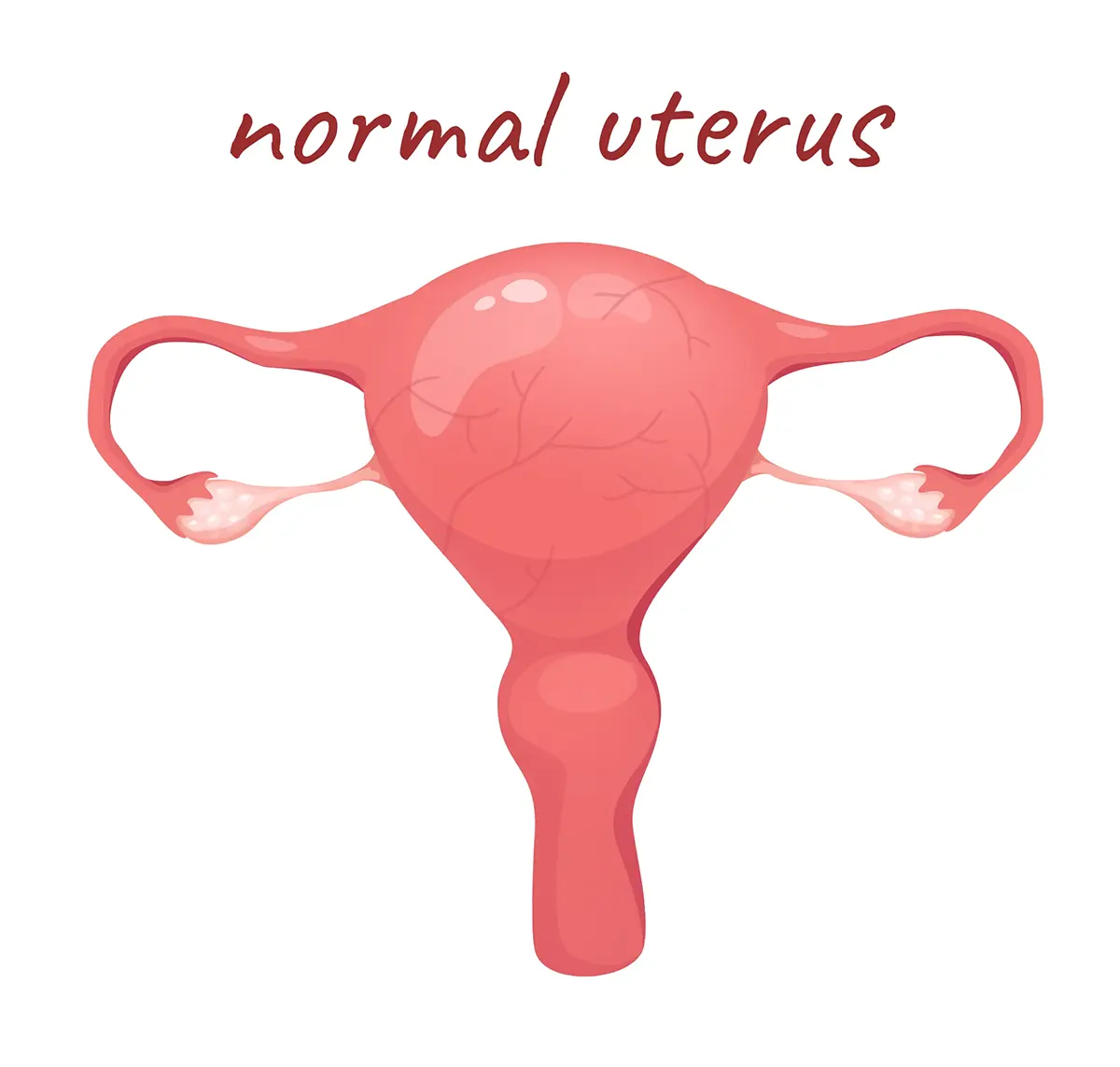
A hysterectomy removes the uterus. Removing the ovaries is a separate procedure called an oophorectomy, and it isn’t always done. Many women, especially before menopause, keep one or both ovaries. The names can be confusing: on this site, a “partial” hysterectomy means the cervix is kept, and it says nothing about the ovaries (our guide to the types of hysterectomy explains the terms). If you’re not sure what was removed, your operative report or surgeon’s notes will tell you, and it’s worth asking, because the list of likely causes changes completely.
- If you kept your ovaries: they still release eggs and make hormones until menopause, so ovulation pain, cysts and other ovary-related problems are all still possible.
- If both ovaries were removed: true ovary pain is uncommon. The rare exception is ovarian remnant syndrome (explained below). Otherwise, pain in that area is more likely to come from scar tissue, the pelvic floor muscles, the bowel, the bladder or nerves.
Pain in the first weeks: what’s normal
During the first few weeks, pain on one or both sides of the lower abdomen is common and usually comes from the surgery itself: healing tissue, internal stitches, gas used during laparoscopy, and the general soreness of the area where the uterus was attached. It should gradually ease from week to week. Our week-by-week recovery guide describes what’s typical at each stage.
What’s not typical is pain that gets steadily worse instead of better, pain that suddenly becomes severe, or pain with fever, vomiting or heavy bleeding. Those need prompt medical attention (see the warning signs section below).
Pain that lasts or comes back: how common is it?
Most women who have a hysterectomy for pelvic pain feel better afterwards, but not all. Studies report that somewhere between 5% and 32% of women have chronic pain after a hysterectomy for a non-cancerous condition. A Swedish study that followed 440 women for a year after surgery found that 16.4% still had pelvic pain they’d had before the operation, and 6.2% developed new pelvic pain they hadn’t had before.
The strongest predictor in that research wasn’t the type of surgery but the pain women already had going in: frequent pelvic pain, or pain in several parts of the body, made ongoing pain more likely. That matters because it suggests that persistent pain is often not a sign that something went wrong in the operation, and that it may need a broader approach than “find the organ and remove it.”
Causes when your ovaries were kept
Ovulation pain (mittelschmerz)
Some women feel a one-sided ache or sharp twinge in the lower abdomen when they ovulate. It’s called mittelschmerz, German for “middle pain,” because it happens around the middle of the cycle. A hysterectomy doesn’t stop ovulation, so women who had this pain before surgery may keep having it. Without periods, it can be harder to recognize: it shows up roughly once a month, lasts from a few minutes to a day or two, and may switch sides. Ovulation pain is usually harmless. Scar tissue from previous surgery is one of the things that can make it more noticeable.
A simple way to spot a monthly pattern is to keep a pain diary for two or three months, noting the date, side, type of pain and anything that made it better or worse.
Ovarian cysts
Working ovaries can form cysts, and most are harmless functional cysts that go away on their own. They can cause a dull ache or pressure on one side, and occasionally sharp pain if a cyst bleeds or ruptures. Pelvic surgery can also lead to peritoneal inclusion cysts, fluid collections trapped by scar tissue that are often mistaken for ovarian cysts. Both are covered in detail in our article on ovarian cysts after hysterectomy.
Residual ovary syndrome
This is the name doctors give to ongoing problems caused by an ovary that was deliberately kept: chronic pelvic pain, pain during sex, or a pelvic mass. Estimates suggest it affects roughly 2 to 3% of women who keep their ovaries. A kept ovary can become stuck to the pelvic wall or bowel by scar tissue, and cysts that form there may have less room to move, which can make them more painful. It can appear months or many years after surgery.
Endometriosis that continues or comes back
Endometriosis grows outside the uterus, so removing the uterus doesn’t necessarily remove the disease. Endometriosis is fed by estrogen, and kept ovaries keep producing it. A review of the research on hysterectomy for endometriosis found that keeping the ovaries was linked to a roughly six times higher risk of recurrent pain and eight times higher risk of another operation, and that the most important factor was whether all visible endometriosis was removed during surgery. That doesn’t mean the ovaries should always be removed (see the section on oophorectomy below), but it’s an important part of the conversation. Our article on hysterectomy for endometriosis covers this decision in more depth.
Ovarian torsion (rare, but an emergency)
Torsion happens when an ovary twists on the ligament and blood vessels that hold it in place, cutting off its own blood supply. After a hysterectomy it is rare, but it has been reported, more often after laparoscopic hysterectomy, sometimes years later, and sometimes in ovaries with no cyst at all. The typical picture is sudden, severe, one-sided pelvic pain, often with nausea or vomiting. Because the symptoms aren’t specific, it can be missed if no one remembers that the ovaries are still there. Sudden severe pelvic pain needs emergency care, and it helps to tell the team that you’ve had a hysterectomy but kept your ovaries.
Causes when your ovaries were removed
Ovarian remnant syndrome
Occasionally, when both ovaries are meant to be removed, a small piece of ovarian tissue is left behind, usually because it was stuck in scar tissue or endometriosis. That remnant can keep responding to hormones, form cysts and cause pain, often on one side. It’s uncommon, and more likely in women who had endometriosis, pelvic infections or several previous pelvic operations. A clue can be blood tests showing hormone levels that aren’t what you’d expect after both ovaries have been removed. Treatment, when needed, is usually surgery to remove the remaining tissue.
Causes that can feel like ovary pain (with or without ovaries)
Pain low on one side of the abdomen isn’t always coming from the ovary. The American College of Obstetricians and Gynecologists (ACOG) notes that in women with chronic pelvic pain, several conditions outside the reproductive organs are very common, and that many women have more than one at the same time:
- Adhesions (scar tissue) from the surgery, which can pull on surrounding organs.
- Pelvic floor muscle tension or spasm. These muscles can tighten in response to pain, surgery or stress and then become a source of pain themselves, including pain during sex. They also commonly cause low back pain after hysterectomy.
- Bowel problems such as irritable bowel syndrome, constipation or diverticulitis.
- Bladder problems such as urinary tract infections or interstitial cystitis (painful bladder syndrome).
- Abdominal wall and nerve pain, for example a nerve irritated near an incision. This pain is often very localized, burning or sharp, and may get worse when you tense your stomach muscles.
Low mood and anxiety are also common alongside long-lasting pain. That doesn’t mean the pain is “in your head”; living with ongoing pain affects mood, and mood in turn affects how the nervous system processes pain. Good care addresses both.
Warning signs: when to get help
Go to the emergency room or call emergency services if you have:
- Sudden, severe pelvic or abdominal pain, especially if it’s one-sided or comes with nausea or vomiting
- Pain with fainting, dizziness or a racing heart
- Fever or chills with pelvic pain
- Heavy vaginal bleeding, or foul-smelling vaginal discharge
- A hard, swollen abdomen, or being unable to pass urine, stool or gas
Book an appointment with your doctor if you have:
- Pain that isn’t improving several weeks after surgery, or that returns after it had settled
- Pain that comes back in a monthly pattern
- New pain during sex
- Bloating, a feeling of fullness or pelvic pain that is persistent and new, especially if it’s there most days for several weeks
How doctors find the cause
Because so many things can cause pain in this area, the first step is usually a careful conversation and examination rather than a scan alone. It helps to bring:
- Details of your surgery: why it was done, the type of hysterectomy, and whether one, both or neither ovary was removed
- Your pain diary: where it hurts, what it feels like, how often, whether there’s a monthly pattern, and links with eating, bowel movements, urination, sex or exercise
- Any pain you had before the hysterectomy, and any other long-term pain conditions
From there, common steps include:
- A pelvic and abdominal exam, including gently checking the pelvic floor muscles and the abdominal wall for tender spots
- A transvaginal ultrasound, the main test for looking at the ovaries and checking for cysts or a mass
- Urine tests to rule out infection, and sometimes blood tests, including hormone levels if ovarian remnant syndrome is suspected
- CT or MRI in some cases, especially in an emergency or when ultrasound isn’t clear
- Laparoscopy (keyhole surgery) when other tests haven’t found the cause and the pain is significant, since it lets the surgeon see adhesions or endometriosis directly and often treat them at the same time
Treatment options
Treatment depends on the cause, and for long-lasting pain it often combines more than one approach.
Pain relief and heat
For ovulation pain and many cysts, over-the-counter anti-inflammatory painkillers and a heating pad or warm bath are often enough. Check with your doctor or pharmacist about which painkillers are safe for you.
Hormonal treatment
If pain follows the ovarian cycle, medicines that stop ovulation, such as combined hormonal contraceptives or progestogens, can calm the ovaries down. For residual ovary syndrome or endometriosis, doctors sometimes use stronger medicines (GnRH analogues) that temporarily switch off the ovaries. Evidence for these treatments in residual ovary syndrome is limited, and some women still end up needing surgery, but a trial of medicine is a reasonable step for many.
Pelvic floor physical therapy
When muscle tension is part of the problem, a pelvic floor physical therapist can help the muscles relax and work normally again. ACOG’s guidance notes that pelvic floor physical therapy can improve pain related to the pelvic muscles, including pain during sex. It’s a low-risk option that is often overlooked. Our guide on sitting comfortably and pelvic floor exercises after hysterectomy is a starting point, but persistent pain is best assessed by a specialist therapist.
Treating other causes
If the bowel, bladder or a nerve is involved, treatment targets that: for example, managing constipation or irritable bowel syndrome, treating a urinary infection, or injecting a local anesthetic into a painful spot in the abdominal wall. For long-lasting pain, pain-specialist care and psychological approaches such as cognitive behavioral therapy can also reduce how much pain interferes with daily life.
Surgery
Surgery is usually reserved for a clear structural problem: torsion (which is an emergency), a cyst or mass that needs removing, endometriosis that needs excision, or an ovarian remnant. Removing adhesions can help some women, but adhesions can also form again after the new operation. For chronic pelvic pain without an identifiable structural cause, ACOG’s guidance is that surgery doesn’t appear to help.
Should you have your ovaries removed to stop the pain?
It’s a question many women in pain ask, and sometimes it is the right answer, for example when a kept ovary is clearly the source and other treatments haven’t worked. But it’s a big decision, especially before menopause:
- It brings on menopause immediately if both ovaries are removed before natural menopause, with symptoms that can be more abrupt than natural menopause. Our article on hysterectomy and hormones explains why.
- It may affect long-term health. In the large Nurses’ Health Study, women who had both ovaries removed at hysterectomy for non-cancerous reasons had a lower risk of ovarian and breast cancer, but a higher risk of heart disease and of death from all causes over 24 years than women who kept their ovaries. This was an observational study, so it can’t prove cause and effect, but it’s why many gynecologists now recommend keeping healthy ovaries when possible.
- It doesn’t guarantee the pain will go away, particularly if muscles, nerves, the bowel or the bladder are contributing.
If you’re considering it, ask your doctor how confident they are that the ovary is the source, what other options are left, and whether hormone therapy would be recommended afterwards.
Kept ovaries and earlier menopause
Even when the ovaries are kept, a hysterectomy may bring menopause on somewhat earlier. In a prospective US study, women who had a hysterectomy with ovarian preservation had nearly twice the risk of ovarian failure over about five years compared with similar women who hadn’t had surgery, and the risk was higher if one ovary had been removed. Researchers aren’t sure whether this is due to changes in blood flow to the ovaries or to the conditions that led to the hysterectomy. It’s not a direct cause of pain, but symptoms like hot flashes, sleep problems or vaginal dryness (which can make sex painful) are worth mentioning to your doctor. Our article on menopause symptoms after hysterectomy with ovaries intact explains how to recognize it without periods to go by.
Frequently asked questions
Can I still feel ovulation after a hysterectomy?
Yes, if you kept at least one ovary and haven’t reached menopause. Your ovaries still ovulate, so you may notice mid-cycle twinges, breast tenderness or mood changes in a monthly pattern even without periods.
Can ovary pain start years after a hysterectomy?
Yes. Residual ovary syndrome, cysts, endometriosis and even torsion have all been reported years after surgery. New or changing pain deserves a check-up, whenever it appears.
Why does it hurt on one side?
Pain that stays on one side can come from the ovary on that side (ovulation, a cyst, torsion), but also from scar tissue, a nerve near an incision, or the bowel. One-sided pain that is sudden and severe needs emergency care.
Is ovary pain after a hysterectomy a sign of cancer?
Usually not. Most causes are benign. But ovarian cancer can still develop in kept ovaries, and its early symptoms are vague: persistent bloating, feeling full quickly, pelvic or abdominal pain and needing to urinate more often. If these are new and happen most days for several weeks, see your doctor. Our ovarian cyst article explains how doctors assess a mass found on a scan.
Can a kept ovary cause pain during sex?
It can, especially if the ovary is stuck near the top of the vagina by scar tissue, which is one of the classic features of residual ovary syndrome. Tight pelvic floor muscles and vaginal dryness are other common causes. Our article on sexuality after hysterectomy covers some of the practical side.
Sources
- Lukas P, Nilsson L, et al. Changes in spatial bodily pain distribution one year after benign hysterectomy with emphasis on prevalence and risk factors for de novo and persistent pelvic pain. BMC Women’s Health, 2024.
- NHS. Ovulation pain.
- Fu SC, Su HY. Residual ovarian syndrome: A case report with classic symptoms, imaging and pathology findings, and treatment. Taiwanese Journal of Obstetrics & Gynecology, 2018.
- Pastore M, et al. Late aortic lymphocele and residual ovary syndrome after gynecological surgery. World Journal of Surgical Oncology, 2007.
- Recurrence of endometriosis after hysterectomy. Facts, Views & Vision in ObGyn, 2014 (review).
- Larraín D, Casanova A, Rojas I. Ovarian Torsion after Hysterectomy: Case Report and Concise Review of the Reported Cases. Case Reports in Obstetrics and Gynecology, 2018.
- BMC Women’s Health. Case report and review on ovarian remnant syndrome, 2023.
- American College of Obstetricians and Gynecologists. Chronic Pelvic Pain: ACOG Practice Bulletin Summary, Number 218. Obstetrics & Gynecology, 2020. Summary for physicians: American Family Physician, 2021.
- Parker WH, Broder MS, Chang E, et al. Ovarian Conservation at the Time of Hysterectomy and Long-Term Health Outcomes in the Nurses’ Health Study. Obstetrics & Gynecology, 2009.
- Moorman PG, Myers ER, Schildkraut JM, et al. Effect of Hysterectomy With Ovarian Preservation on Ovarian Function. Obstetrics & Gynecology, 2011.
This article is for general information and is not a substitute for medical advice. If you have pelvic pain after a hysterectomy, please talk to your own doctor about your situation, and seek emergency care for sudden or severe pain.